Hibiscus Tea: A Heart-Healthy, Antioxidant-Rich & Anti-Inflammatory Drink
Research has investigated hibiscus (Hibiscus sabdariffa) for its potential effects on blood pressure, oxidative stress, inflammation, metabolic health, body fat and uric acid.
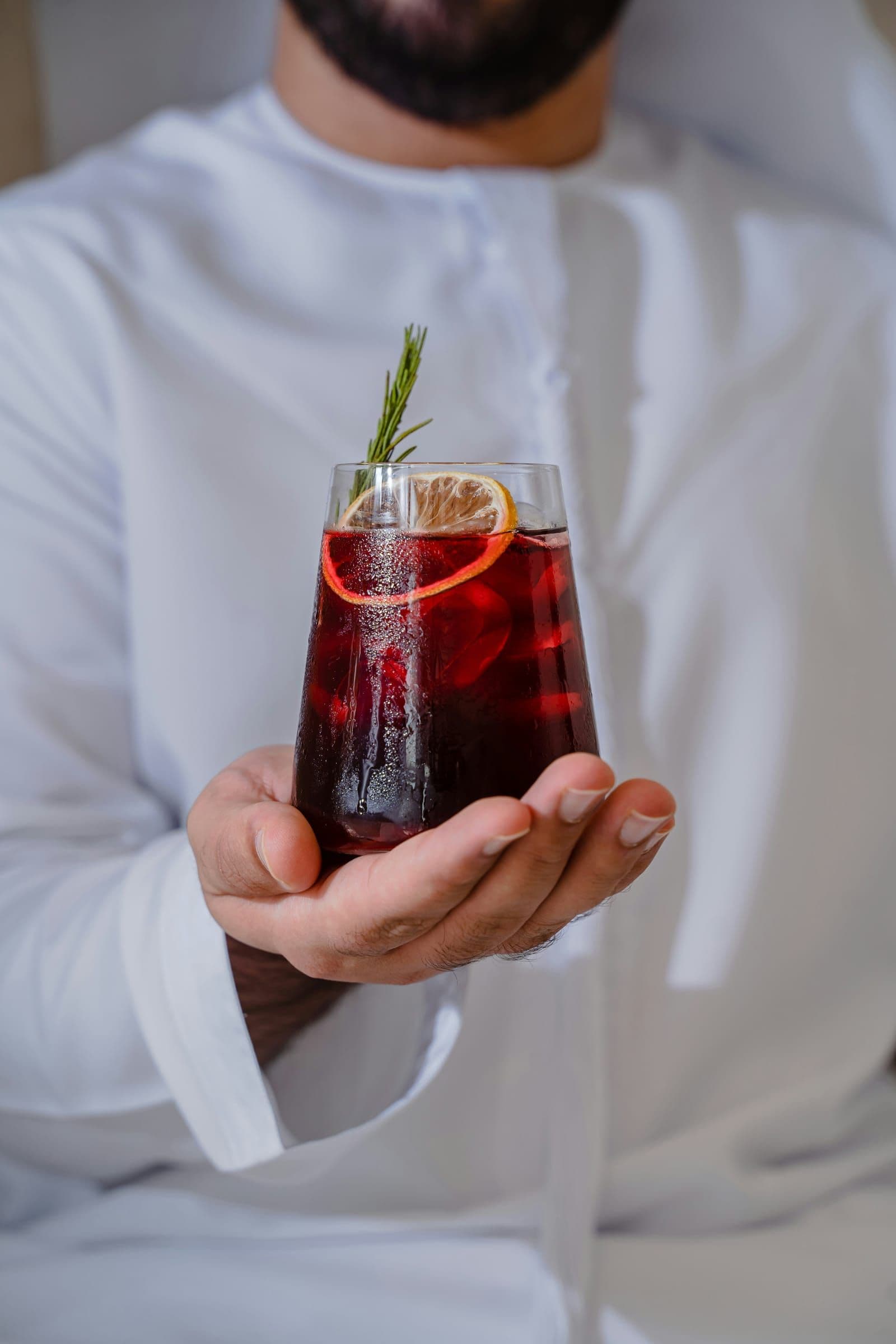
Hibiscus tea is one of my favorite drinks to add to my daily routine. It’s refreshing, naturally caffeine-free, and packed with plant compounds called polyphenols, including the anthocyanins responsible for its beautiful deep-red color.
Research has investigated hibiscus (Hibiscus sabdariffa) for its potential effects on blood pressure, oxidative stress, inflammation, metabolic health, body fat and uric acid.
Here’s why I love it — and how I make it.
🌺 Rich in Antioxidants
Hibiscus is rich in antioxidant polyphenols, particularly anthocyanins.
Research suggests these compounds can help combat oxidative stress, which occurs when the production of free radicals exceeds the body’s antioxidant defenses.
Human research has also found that consuming an aqueous hibiscus preparation can increase antioxidant capacity in the bloodstream and reduce markers of oxidative stress.¹
This is one reason I love hibiscus as an everyday alternative to sugary drinks.
❤️ Impressive Research on Blood Pressure
This is where some of the strongest human evidence for hibiscus exists.
In a randomized, double-blind, placebo-controlled trial, adults with prehypertension or mild hypertension drank three 8-ounce servings of brewed hibiscus tea per day for six weeks.
Their systolic blood pressure decreased by an average of 7.2 mmHg, compared with only 1.3 mmHg in the placebo group.²
A meta-analysis of randomized controlled trials also found that hibiscus consumption significantly reduced both systolic and diastolic blood pressure.³
Perhaps even more interesting, researchers have compared hibiscus directly with the blood-pressure medication captopril.
In one randomized trial involving people with mild-to-moderate hypertension, participants consuming an infusion prepared from 10 grams of dried hibiscus calyx daily experienced blood-pressure reductions that were not significantly different from those taking captopril.⁴
That does not mean hibiscus should replace prescribed blood-pressure medication, but it is a fascinating finding and helps explain why hibiscus has attracted so much scientific interest.
🌺 Potential Metabolic, Body-Fat & Liver Benefits
Hibiscus is also being investigated for possible effects on metabolism, body composition and liver health.
In a randomized human trial involving adults with overweight or obesity, 12 weeks of hibiscus extract supplementation was associated with reductions in body weight, BMI, body fat and waist-to-hip ratio, along with improvement in liver steatosis.⁵
There is an important distinction here: this study used concentrated hibiscus extract rather than ordinary brewed hibiscus tea.
So while the findings are promising, we don't yet know whether drinking hibiscus tea produces the same body-fat or liver effects.
🔥 Anti-Inflammatory Potential
Hibiscus is rich in polyphenols and anthocyanins, and research suggests these compounds may have anti-inflammatory activity.
A systematic review examining the immunomodulatory and anti-inflammatory effects of Hibiscus sabdariffa found significant reductions across experimental studies in several inflammatory mediators, including:
- TNF-α
- IL-6
- IL-1β
- MCP-1
The researchers also found a significant reduction in edema formation. Interestingly, CRP was not significantly reduced.⁶
Researchers have proposed several potential mechanisms for these effects, including modulation of inflammatory signaling pathways.
However, much of this research comes from laboratory and animal models rather than large clinical trials demonstrating that drinking hibiscus tea treats chronic inflammation in humans.
So I think of hibiscus as an antioxidant-rich food with promising anti-inflammatory properties, rather than as a treatment for an inflammatory condition.
🌺 Uric Acid & Gout: Interesting Early Research
There is also some interesting preliminary research involving hibiscus and uric acid.
In a small human study, drinking hibiscus tea increased urinary uric-acid excretion and uric-acid clearance.⁷
This has led researchers to investigate hibiscus as a potential dietary strategy for hyperuricemia and gout.⁸
But there's an important caveat: the subjects in the original human study did not have gout, and we don't yet have enough clinical evidence to say hibiscus tea prevents or treats gout.
Still, its effect on uric-acid handling is an interesting area of research.
🌺 My Cold-Brew Hibiscus Tea Recipe
This could not be easier.
Ingredients
- 3 tablespoons dried hibiscus flowers
- 68 ounces cold water
Optional additions:
- Lemon
- Lime
- Fresh basil
- Mashed berries
- Sweetener of choice
Directions
- Place 3 tablespoons of dried hibiscus flowers into a large tea bag.
- Put the tea bag into a 68-ounce pitcher and fill with cold water.
- Refrigerate and steep for about 1 hour.
That's it!
I often continue adding water to the pitcher as I drink it. The hibiscus is strong enough that I can usually get another lighter pitcher from the same bag.
You can drink it plain or experiment with lemon, lime, basil, mashed berries or your favorite sweetener.
I love keeping a pitcher in the refrigerator so I have something refreshing and flavorful to drink throughout the day.
References
-
Frank T, Netzel G, Kammerer DR, et al. Consumption of Hibiscus sabdariffa L. aqueous extract and its impact on systemic antioxidant potential in healthy subjects. Journal of the Science of Food and Agriculture. 2012;92(10):2207-2218.
PubMed — Hibiscus and antioxidant capacity -
McKay DL, Chen CY, Saltzman E, Blumberg JB. Hibiscus sabdariffa L. tea (tisane) lowers blood pressure in prehypertensive and mildly hypertensive adults. Journal of Nutrition. 2010;140(2):298-303.
PubMed — Randomized controlled hibiscus tea trial -
Serban C, Sahebkar A, Ursoniu S, et al. Effect of sour tea (Hibiscus sabdariffa L.) on arterial hypertension: a systematic review and meta-analysis of randomized controlled trials. Journal of Hypertension. 2015;33(6):1119-1127.
PubMed — Hibiscus blood-pressure meta-analysis -
Herrera-Arellano A, Flores-Romero S, Chávez-Soto MA, Tortoriello J. Effectiveness and tolerability of a standardized extract from Hibiscus sabdariffa in patients with mild to moderate hypertension: a controlled and randomized clinical trial. Phytomedicine. 2004;11(5):375-382.
PubMed — Hibiscus versus captopril trial -
Chang HC, Peng CH, Yeh DM, Kao ES, Wang CJ. Hibiscus sabdariffa extract inhibits obesity and fat accumulation, and improves liver steatosis in humans. Food & Function. 2014;5(4):734-739.
PubMed — Hibiscus, body fat and liver study -
Umeoguaju UF, Ephraim-Emmanuel BC, Patrick-Iwuanyanwu KC, et al. Immunomodulatory and mechanistic considerations of Hibiscus sabdariffa in dysfunctional immune responses: a systematic review. 2021.
PubMed — Hibiscus anti-inflammatory systematic review
Full-text article — NIH/PMC -
Kirdpon S, Nakorn SN, Kirdpon W. Changes in urinary chemical composition in healthy volunteers after consuming roselle (Hibiscus sabdariffa Linn.) juice. Journal of the Medical Association of Thailand. 1994. See also subsequent human research examining the uricosuric effects of roselle.
PubMed — Uricosuric effects of Hibiscus sabdariffa -
Review of naturally occurring compounds investigated for anti-inflammatory and hypouricemic effects, including Hibiscus sabdariffa.
NIH/PMC — Anti-inflammatory and hypouricemic bioactive compounds
Additional resource: NutritionFacts.org has several evidence-based discussions of hibiscus and cardiovascular health.
NutritionFacts.org
A quick safety note: Hibiscus can lower blood pressure, so people taking blood-pressure medication or who already have low blood pressure should discuss regular/high-dose consumption with their healthcare provider. Hibiscus shouldn't be used as a substitute for prescribed medication.
WellFind.org shares nutrition and wellness information for educational purposes only and is not intended to diagnose, treat, cure or prevent any medical condition.